Complete List of Places to Visit in Makkah During Umrah
Introduction to Makkah Ziarat
If you are planning Umrah, understanding the complete list of Makkah Ziyarat places is essential to make the most of your journey. Makkah Ziyarat refers to visiting important Islamic sites in and around Makkah beyond the core rituals of Umrah. These places are deeply connected to the life of Prophet Muhammad ﷺ and the early history of Islam.
From Masjid al-Haram and the Kaaba to Cave of Hira, Mina, and Mount Arafat, each location offers spiritual reflection and historical understanding. In this guide, you will find:
- Complete list of Ziyarat places in Makkah
- Short explanations of each site
- Practical itinerary for Umrah pilgrims
- Tips to plan your Ziyarat efficiently
Complete List of Makkah Ziyarat Places
Makkah Ziyarat refers to visiting important Islamic sites in Makkah during or after Umrah. The main Ziyarat places include
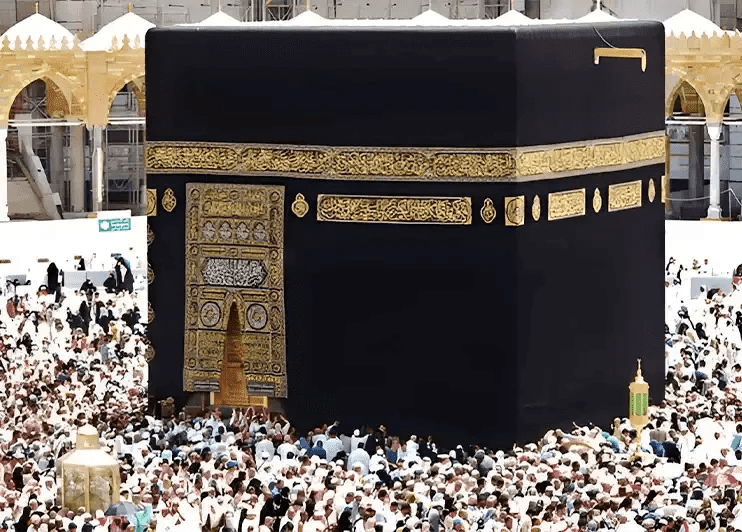
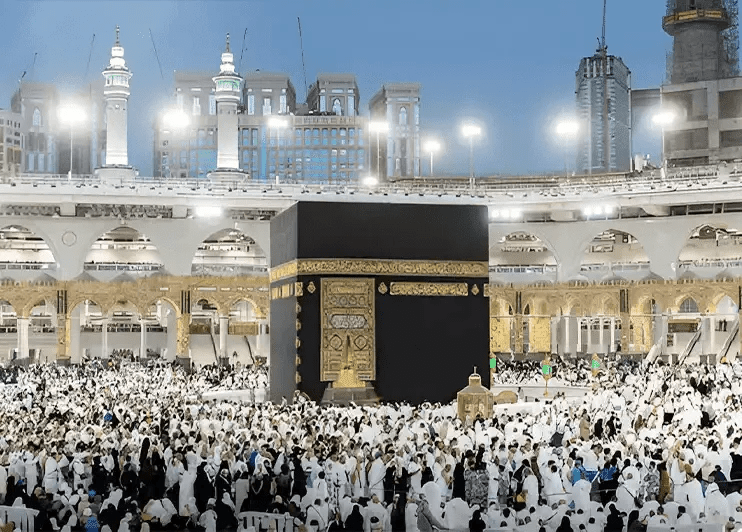
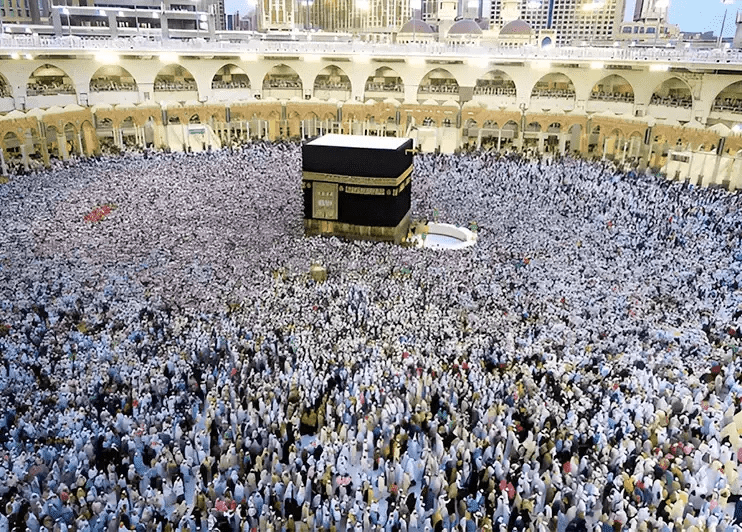
- Masjid al-Haram (Kaaba, Tawaf, Sa’i)
- Jabal al-Nour – Cave of Hira
- Jannat al-Mu’alla Cemetery
- Masjid al-Jinn
- Mount Arafat (Jabal al-Rahmah)
- Muzdalifah
- Mina
- Cave of Thawr
Top Places to Visit in Makkah During Umrah
-
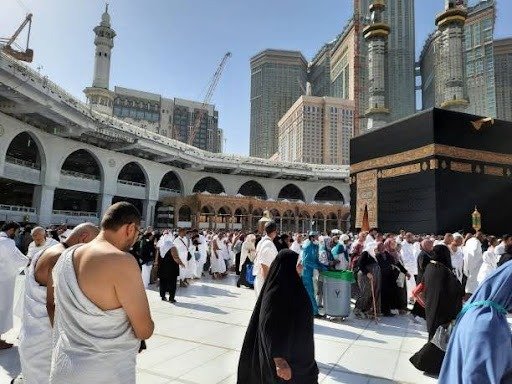
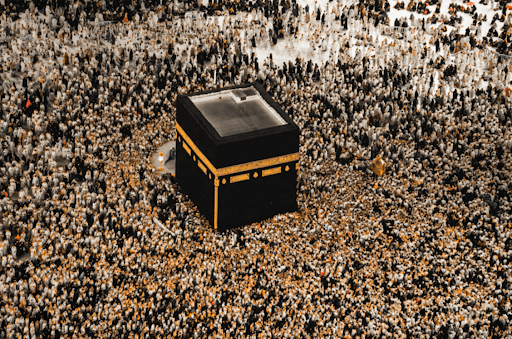
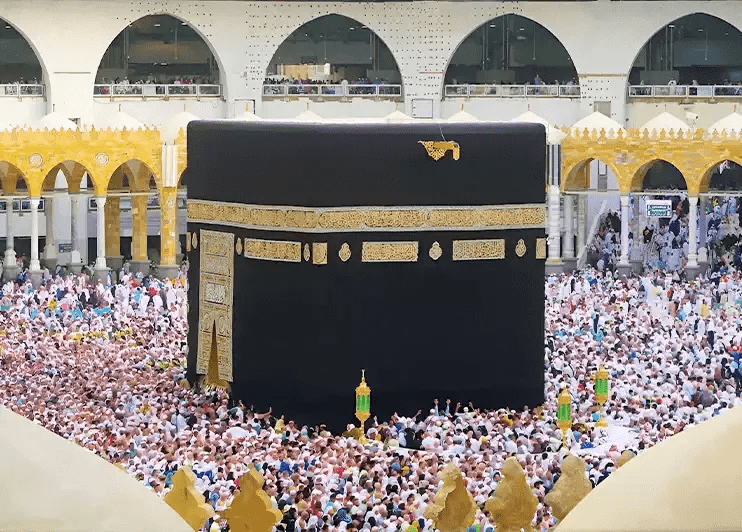
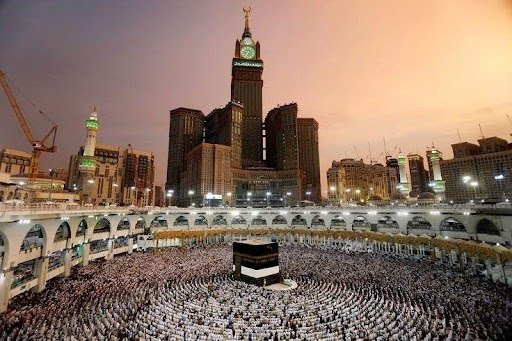
Masjid al-Haram (Kaaba)
The most sacred place in Islam where pilgrims perform Tawaf and Sa’i. It is the spiritual center of every Umrah journey.
-
Cave of Hira – Jabal al-Nour
The cave where the first revelation of the Quran was revealed. Many pilgrims visit for reflection and spiritual connection.
-
Cave of Thawr – Jabal Thawr
A historic site where Prophet Muhammad ﷺ and Abu Bakr (RA) took refuge during Hijrah.
-
Jannat al-Mu’alla Cemetery
The resting place of the Prophet’s ﷺ family members, including Khadijah (RA).
-
Mount Arafat (Jabal al-Rahmah)
Known for the Prophet’s Farewell Sermon, this is one of the most important spiritual locations near Makkah.
-
Mina
A significant location during Hajj, known for the stoning of Shaytan. It is also visited during Ziyarat tours.
-
Muzdalifah
A peaceful open area where pilgrims reflect and make dua during Hajj.
-
Masjid al-Jinn
A mosque linked to the event where jinn accepted Islam after hearing the Quran.
Essential Preparations for Makkah Ziarat
Preparing for visit Makkah requires physical readiness, spiritual intention, and logistical planning.
Spiritually, pilgrims should engage in dua, repentance, and learning about the places they will visit. Physically, many Ziarat locations involve walking or climbing, such as Jabal Rahman, and Jabal Thawr.
Practical preparation includes:
- Carrying valid travel documents and visas
- Using a Makkah Madina map or Masjid al Haram Makkah map
- Wearing modest clothing suitable for mosques and walking
- Understanding entry rules for mosques and historical sites
Respectful behavior is essential at all holy places in Makkah, especially mosques and cemeteries.
Makkah Ziyarat Itinerary for Umrah Pilgrims
Day 1 – Central Makkah Exploration
Start your journey at Masjid al-Haram for Tawaf and worship. Continue to Jannat al-Mu’alla, then visit Masjid al-Jinn for reflection.
Day 2 – Mountain and Historical Sites
Focus on the significant mountain locations, beginning with Jabal al-Nour (Cave of Hira) and followed by Jabal Thawr (Cave of Thawr).
Day 3 – Outer Ziyarat Locations
Conclude your itinerary with visits to Mina, Muzdalifah, and Mount Arafat.
Do You Need to Visit All Ziyarat Places?
No, visiting all sites is not required. Most pilgrims visit 3–5 key locations depending on time, travel schedule, and physical ability.
Best Time for Makkah Ziarat
The ideal time for visiting Makkah Ziarats is during the early mornings or late evenings, when crowds are lighter and the atmosphere is more serene. Off-peak seasons outside Ramadan or Hajj are preferred for a peaceful, reflective experience, allowing pilgrims to focus on dua, worship, and spiritual connection at each site.
Integrating Ziarat with Hajj and Umrah
Ziarat complements both Hajj and Umrah by adding historical depth and spiritual reflection. Pilgrims often schedule Ziarat after completing rituals, using Miqat maps and Makkah Madina maps for planning.
This integration allows pilgrims to experience Makkah not only as a ritual site but as a living history of Islam.
Recommended Practices During Makkah Ziarat
- Offer dua and silent prayer at each location
- Reflect on Islamic history and lessons
- Maintain humility, patience, and respect
- Avoid innovations and focus on remembrance
These practices ensure a spiritually meaningful ziyarat in Mecca.
Practical Tips for a Smooth Ziarat Journey
- Visit sites early morning or late evening
- Stay hydrated and rest frequently
- Use walking routes for Mecca walking around
- Respect crowd control and local regulations
Planning wisely improves access to the best places to go in Makkah.
Why Makkah Ziyarat Matters
Makkah Ziyarat is not just about visiting locations—it is about understanding the roots of Islam. Each site represents sacrifice, faith, and key moments from the life of Prophet Muhammad ﷺ. Visiting these places helps pilgrims connect emotionally and spiritually with their journey. It transforms Umrah from a ritual into a deeper experience of reflection, learning, and personal growth.
Makkah Ziyarat Services
Planning Ziyarat can be overwhelming, especially for first-time pilgrims.
Many travelers choose guided Ziyarat services to:
- Visit all locations efficiently
- Learn historical context
- Avoid logistical issues
If you prefer a structured experience, you can explore available Umrah packages that include Ziyarat planning and transportation.
Conclusion
Makkah Ziarat is a sacred journey through the foundations of Islam. From Masjid al-Haram and the Kaaba to Masjid al-Jinn, Jabal Rahma, and the Mecca graveyard, every site deepens faith and understanding. Exploring these places to see in Mecca transforms pilgrimage into a lifelong spiritual memory.
For anyone planning to visit Makkah, Ziarat is an essential experience that connects believers to the past, strengthens the present, and guides the future.
FAQs About Makkah Ziarat
Is Ziarat mandatory?
No, but it is highly recommended.
How long does Makkah Ziarat take?
Typically 1–3 days depending on sites visited.
Can Ziarat be done without a guide?
Yes, though guides provide valuable historical insight.