Introduction
For many Muslims, the desire to visit the House of Allah begins with a simple question: what is the difference between Hajj and Umrah? While both pilgrimages involve sacred acts in Makkah, they are not the same in purpose, obligation, timing, or scope. Misunderstanding these differences often leads to confusion during planning, budgeting, and spiritual preparation.
This detailed guide explains the difference between Hajj and Umrah by breaking down rituals, costs, time commitment, and spiritual meaning in a clear and practical way. Whether you are a first-time pilgrim, planning with family, or deciding which journey to undertake first, this article gives you the clarity you need to move forward with confidence and intention.
What Is Hajj? A Complete Overview
Hajj is a mandatory pilgrimage and one of the five pillars of Islam, alongside Shahadah, Salah, Zakat, and fasting in Ramadan. Every adult Muslim who is physically able and financially capable must perform Hajj once in their lifetime.
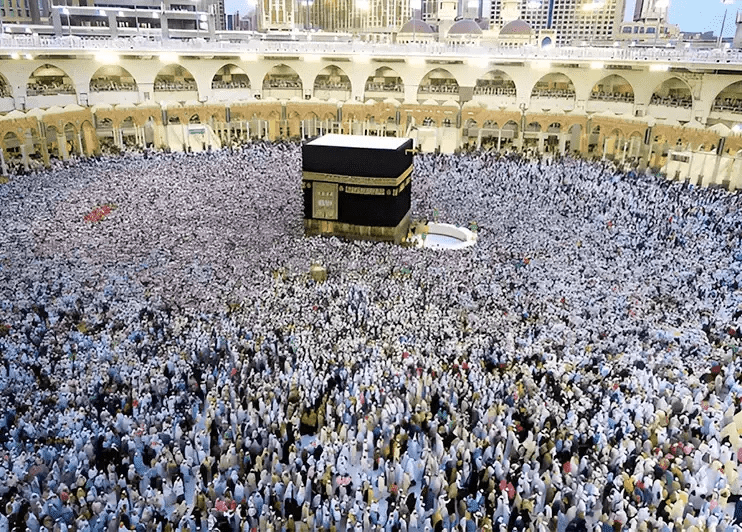
Hajj is performed only during specific days of the Islamic month Dhul Hijjah, from the 8th to the 13th. These days follow a strict schedule that cannot be changed. Pilgrims move through several sacred locations, including Makkah, Mina, Arafat, and Muzdalifah, performing rituals that trace back to Prophet Ibrahim (AS) and his family.
Allah commands this obligation clearly in the Quran:
“And Hajj to the House is a duty that mankind owes to Allah, for those who can afford the journey.” (Surah Aal-e-Imran 3:97)
Failing to perform Hajj despite having the means is considered a serious neglect of duty in Islam.
What Is Umrah? A Detailed Explanation
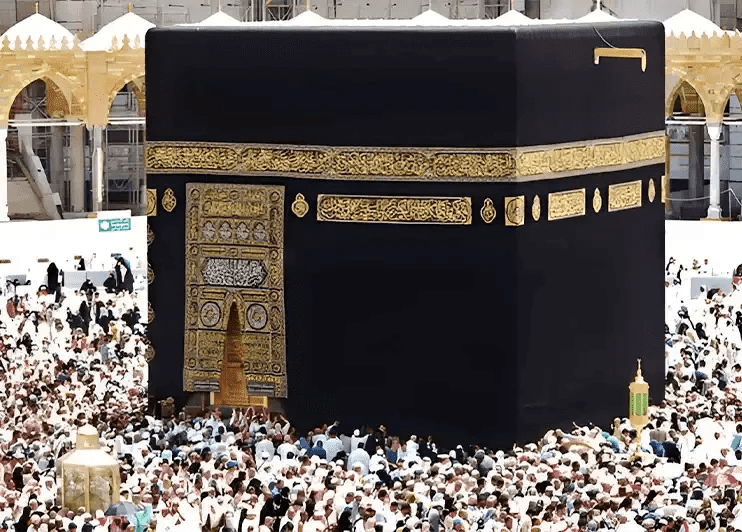
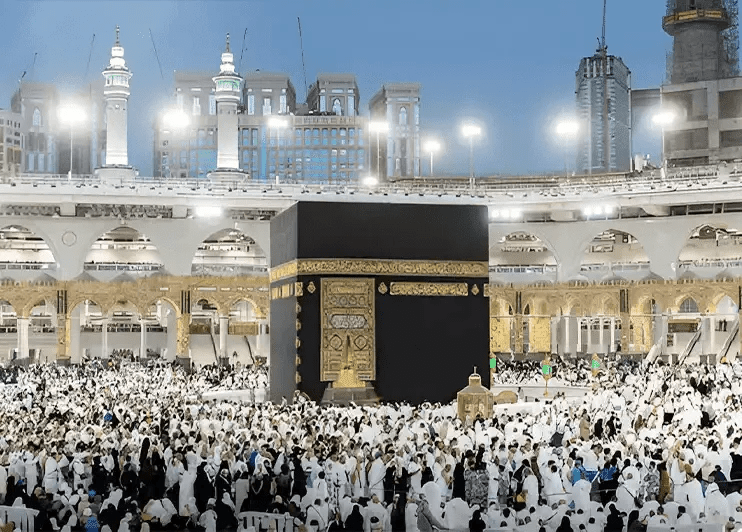
Umrah, known as the lesser pilgrimage, is a voluntary act of worship that also takes place in Makkah. Unlike Hajj, Umrah does not have fixed dates and can be performed at any time of the year.
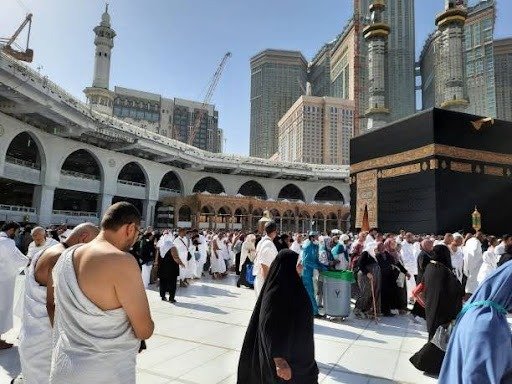
Umrah involves fewer rituals and does not require travel to Mina, Arafat, or Muzdalifah. Most pilgrims complete Umrah within a few hours, making it accessible for elderly pilgrims, families with children, and those with limited time.
The Prophet Muhammad ﷺ emphasized its spiritual value:
“One Umrah to the next expiates the sins committed between them.” (Bukhari, Muslim)
While Umrah does not replace Hajj, it holds deep personal and spiritual meaning for those who perform it sincerely.
Key Differences Between Hajj and Umrah Explained Clearly
1. Obligation in Islam
- Hajj is compulsory once in a lifetime for eligible Muslims.
- Umrah is voluntary according to the majority of scholars.
This single difference alone makes Hajj a duty, while Umrah remains a recommended act of devotion.
2. Timing and Availability
- Hajj can only be performed during a limited window in Dhul Hijjah.
- Umrah is available throughout the year, including Ramadan, which carries increased reward.
This flexibility makes Umrah easier to plan and repeat.
3. Duration and Commitment
- Hajj requires 5 to 6 days of continuous rituals, travel, and physical effort.
- Umrah usually takes 3 to 6 hours, depending on crowd levels.
Hajj demands patience, endurance, and strict adherence to schedules, while Umrah allows a calmer pace.
4. Rituals and Acts of Worship
Hajj rituals include:
- Entering Ihram
- Tawaf al-Qudum and Tawaf al-Ifadah
- Sa’i between Safa and Marwah
- Waqif at Arafat (the core of Hajj)
- Overnight stay in Muzdalifah
- Stoning of the Jamarat
- Animal sacrifice
- Final Tawaf
Umrah rituals include:
- Ihram
- Tawaf
- Sa’i
- Cutting or shaving hair
Missing Waqif at Arafat invalidates Hajj, highlighting its unique importance.
5. Sacred Locations Visited
- Hajj involves movement between multiple holy sites.
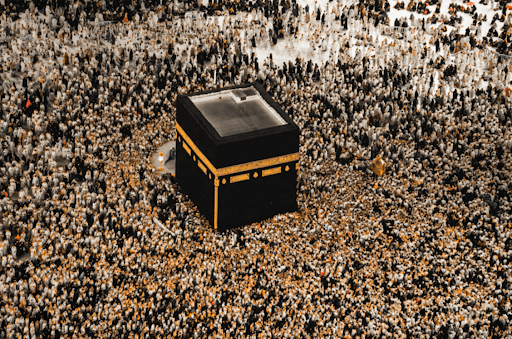
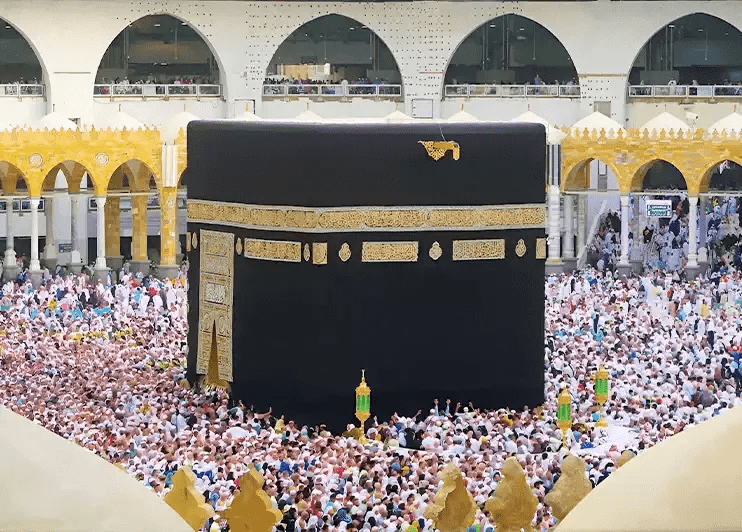
- Umrah remains centered in Masjid al-Haram.
This difference impacts logistics, transportation, and physical effort.
Cost Difference Between Hajj and Umrah
Average Cost Breakdown (Approximate)
- Hajj: $8,000 to $15,000 or more
- Umrah: $1,500 to $4,000
Hajj costs are higher due to:
- Saudi government quotas
- Limited visas
- Mandatory service packages
- Peak-season accommodation
- Transport between holy sites
Umrah remains more budget-friendly, especially outside peak seasons.
Spiritual Significance: Hajj vs Umrah
The Spiritual Weight of Hajj
Hajj represents complete submission to Allah. Standing in Arafat is considered the most powerful moment, where pilgrims beg for forgiveness and mercy.
The Prophet ﷺ said:
“Whoever performs Hajj for Allah’s sake and avoids wrongdoing returns as sinless as a newborn.” (Bukhari)
Hajj reshapes a believer’s life, reinforcing humility, patience, and unity.
The Spiritual Impact of Umrah
Umrah offers repeated opportunities for forgiveness and spiritual renewal. Many Muslims perform Umrah during difficult moments in life, seeking peace, healing, and closeness to Allah.
While its obligation is lesser, its emotional and spiritual effect remains profound.
Which Pilgrimage Should You Perform First?
Choose Hajj first if:
- You have never performed it
- You meet physical and financial conditions
- You can secure a Hajj visa
Choose Umrah first if:
- You want flexible travel dates
- You are preparing spiritually for Hajj
- You are traveling with elders or children
Many pilgrims use Umrah as preparation before fulfilling the duty of Hajj.
Frequently Asked Questions (FAQs)
Is Umrah compulsory like Hajj?
No. Hajj is mandatory, while Umrah is voluntary according to most scholars.
Can Umrah fulfill the obligation of Hajj?
No. Umrah does not replace Hajj under any circumstances.
Which has greater reward?
Hajj carries greater obligation and reward, while Umrah brings ongoing forgiveness.
Can women perform Umrah without a mahram?
Rules depend on age, country regulations, and scholarly opinions.
Can Umrah be performed multiple times?
Yes. There is no limit to how many times Umrah may be performed.
Conclusion
Understanding the difference between Hajj and Umrah allows Muslims to plan their journey with clarity, sincerity, and purpose. Hajj remains a once-in-a-lifetime duty with fixed rituals and deep spiritual weight, while Umrah offers flexibility and ongoing spiritual renewal.
Both journeys bring believers closer to Allah, strengthen faith, and leave lasting changes in the heart.